
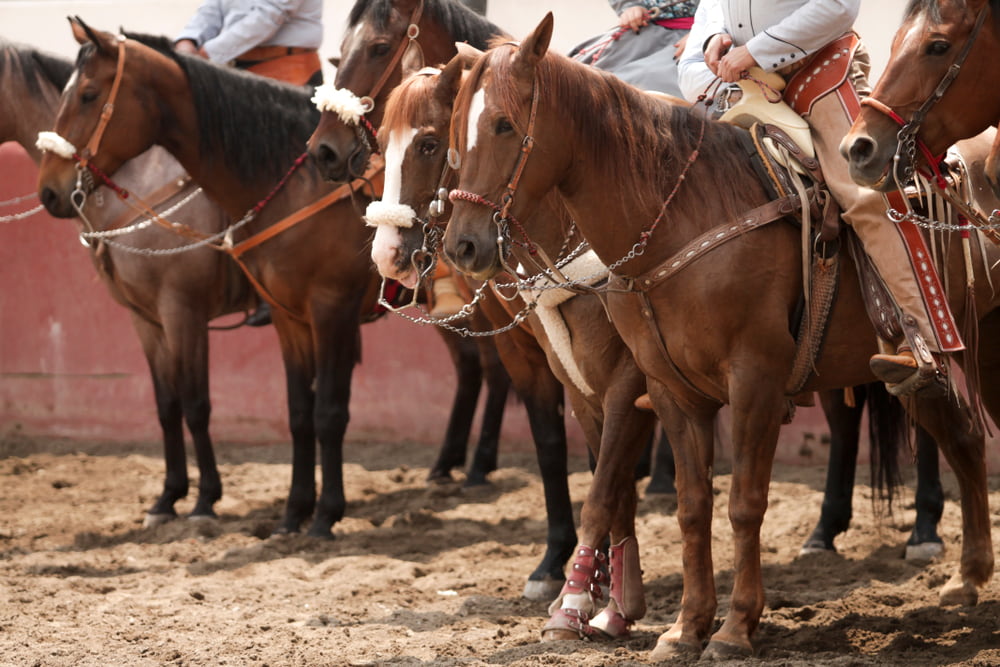

Cowboy hats, saddles, ranches, and rodeos may feel inseparable from the American West, but that story did not begin at the U.S. border. Ranching traditions moved across what is now Mexico and the southwestern United States for generations, leaving both countries with customs that still feel surprisingly familiar.
Drivers comparing the best Mexican auto insurance before heading south can find those connections especially interesting in northern Mexico, where ranching culture remains part of the region’s identity. Read on to discover how shared traditions connect the United States and Mexico long before your road trip moves beyond the border.
Was cowboy culture originally Mexican?
Much of the cowboy tradition familiar in the United States was shaped by Mexican vaqueros. Spanish colonists introduced cattle ranching and horseback herding to North America, and skilled riders in Mexico developed techniques suited to managing livestock across large stretches of land.
The first cowboys were vaqueros, and American ranch workers later adopted many of their methods along with vocabulary that remains familiar today. “Buckaroo,” for example, developed from the Spanish word vaquero, while other ranching terms tied to ropes and riding equipment reflect the same shared history.
Ranching traditions moved across a changing border
The modern U.S.-Mexico boundary did not exist when many of these customs developed. Ranching communities were already spread across areas that later became California, Arizona, New Mexico, and Texas.
As political borders changed, the practical knowledge of riding and livestock management stayed rooted in the region. Riders from both sides continued shaping what eventually became the popular image of the Western cowboy.
That shared history is one reason road-trip culture overlaps on both sides of the border. A drive through northern Mexico may reveal landscapes and ranch traditions that seem connected to the American Southwest rather than completely separate from it.
What is the difference between a charro and a vaquero?

A vaquero traditionally refers to someone whose work centers on cattle and ranch duties. A charro has roots in that same rural horse culture but developed into a more distinct Mexican equestrian tradition associated with charrería.
Historically, the two identities could overlap. Skilled ranch riders performed many of the same tasks that vaqueros did, while charro traditions gradually became more formalized around horsemanship and competition.
The vaquero was primarily a working ranch hand
Vaqueros needed practical skills for daily ranch life. Their work revolved around horses and cattle rather than ceremonial appearance.
The techniques they developed influenced ranching throughout the Southwest. That contribution is one reason the American cowboy cannot be understood without looking at the history of Mexico first.
The charro became a cultural symbol
The charro tradition grew from ranch life but eventually developed its own clothing and competitive practices. Charrería became closely associated with Mexican national identity, with riders demonstrating highly developed horsemanship in organized events.
Traditional charro clothing is also more formal and recognizable than everyday working ranch attire. The fitted suit and decorated sombrero represent a cultural tradition rather than simply clothing designed for a day of ranch labor.
For American travelers, understanding distinctions like this can also make potentially familiar and unfamiliar customs easier to appreciate once across the border.
Both traditions still show how closely the cultures connect
Cowboys and charros developed different identities, but they share a history built around horses, livestock, and rural communities.
Those connections are especially easy to appreciate on a driving trip through Baja California or northern Mexico, where the landscape itself helps put the history in context. The same kind of cultural exchange can also be seen in how food became another strong bridge between the two countries.
Where can I find the best Mexican auto insurance before exploring border culture?
A road trip into northern Mexico can make these shared traditions feel much less abstract. Tijuana is an easy starting point for many Southern California drivers, and the Tijuana Cultural Center offers another way to explore the history and culture of the Baja California region soon after crossing the border.
Mexican Insurance makes it easy to compare coverage online before departure so your policy can match your vehicle and travel dates. Get a quote before you leave, then enjoy the cultural connections waiting just beyond the border.